
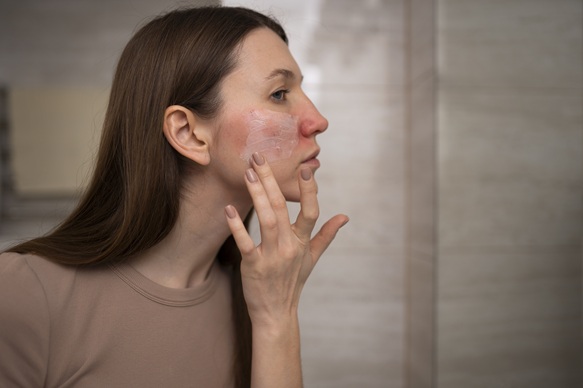
The skin barrier acts as a defensive wall for the skin, helping it retain moisture, protect itself against external aggressors, and maintain its balance. When it is compromised, very recognizable signs appear: tightness, redness, itching, flaking, or a sensitivity that wasn’t there before. Understanding what damages it and how to restore it is key to returning to comfortable, stable, and healthier-looking skin.
What is the skin barrier and why is it so important
The skin barrier is the outermost layer of the skin and acts as a functional shield. Its mission is not only to “cover” but also to regulate water loss, defend the skin against external factors, and help maintain the skin’s surface in optimal condition.
A simple way to understand this is to imagine a wall: the cells would be the “bricks” and the skin lipids the “cement” that holds them together. If this structure weakens, the skin loses water more easily and can become more reactive.
The key:Adding emollient ingredients that help repair that brick wall is fundamental to helping restore the barrier.
Main functions of a functional skin barrier
- Reduce water loss and maintain hydration.
- Protect against external aggressors such as cold, wind, or pollution.
- Promote skin comfort and reduced reactivity.
- Contribute to the overall balance of the skin, including its appearance and texture.
How to know if you have a damaged skin barrier
The appearance of a compromised skin barrier isn’t always the same for everyone. In dry skin, it’s usually seen as more flaking and discomfort; in combination or oily skin, it can present as a combination of dehydration and blemishes. One of the most common clues is this: the skin is more unstable, reacts easily, and everything you apply seems unsuitable.
Symptoms of a damaged skin barrier
These signs usually indicate that the barrier needs support:
- Tirantez, no solo tras la limpieza.
- Sequedad o deshidratación persistente.
- Flaking, rough texture or coarse appearance.
- Rojeces o sensación de calor.
- Escozor o picor al aplicar cosméticos.
- Mayor sensibilidad a activos que antes tolerabas bien.
- Appearance of pimples associated with unstable skin.
If you recognize several of these symptoms at once, you may be experiencing a skin barrier disruption.
How to know if you have a damaged skin barrier
A damaged skin barrier usually gives fairly clear signs, although they don’t always appear all at once. Sometimes it starts with a feeling of tightness after cleansing your face; other times, with a stinging sensation when applying products you previously tolerated perfectly. It’s also common to notice that your skin feels rougher, redder, or duller.
The appearance of a compromised skin barrier isn’t always the same for everyone. Dry skin often shows more flaking and discomfort; combination or oily skin can present with a confusing mix of dehydration, sensitivity, and breakouts. With our clients, one of the most common signs is this: the skin is more unstable, reacts easily, and seems to have lost its ability to withstand their usual skincare routine.
Symptoms of a damaged skin barrier
These signs usually indicate that the barrier needs support:
- Tightness, especially after cleaning.
- Dryness or persistent dehydration.
- Flaking, rough texture, or coarse appearance.
- Redness or a feeling of heat.
- Stinging or itching when applying cosmetics.
- Increased sensitivity to active ingredients that you previously tolerated well.
- Bumps or pimples associated with irritated and unstable skin.
If you recognize several of these symptoms at once, it is most reasonable to think of a alteration of the skin barrier and not an isolated problem.
Do you need to start with hydration?
A well-formulated serum or moisturizer is the first line of defense for a weakened barrier, as it increases the stratum corneum’s ability to retain water and reduce transepidermal water loss, thus promoting the recovery of barrier function.
What can damage the skin barrier
The skin barrier doesn’t change overnight for no reason. It usually weakens due to the accumulation of factors: excessive use of exfoliants, harsh cleansers, very hot water, environmental exposure, skin stress, or routines poorly suited to the skin type.
When skin is already compromised, insisting on including harsh ingredients in your routine can worsen the situation considerably. The priority is not to “do everything,” but to restore stability to the skin.
Common causes of damaged skin barrier
These are some of the most common ones:
- Excessive exfoliation, both chemical and physical.
- Continued use of harsh cleaners.
- Sol, frío, viento o cambios bruscos de temperatura.
- Very hot water and long showers.
- Skin stress after certain treatments.
- Intense routines or, sometimes, overly astringent ones.
The good news is that, in most cases, a compromised barrier can improve when triggers are reduced and a calming and restorative routine is prioritized.

What to do if you have a damaged skin barrier
Skin with a compromised barrier benefits from fewer steps and more consistency. For a few days or weeks, depending on the severity of the problem, it’s advisable to avoid exfoliants, strong active ingredients, and any product that causes discomfort. The priority then becomes gentle cleansing, good hydration, and sun protection.
Basic routine to repair the skin barrier
A recovery routine should follow this order:
- Gentle cleansing without a feeling of tightness afterward.
- Hydration with moisturizing actives that help retain water and emollients that contribute to providing lipids. Your source of comfort and skin reinforcement.
- Daily sun protection to avoid further external impact on the skin.
The important thing is not to have many steps, but that each one helps to restore the balance.
What ingredients usually help
When repairing a damaged barrier, it’s important to look for formulas that hydrate and help reduce the feeling of fragility. Look for formulas with:
- Hyaluronic acid to retain water.
- Niacinamida si la piel la tolera bien, por su papel equilibrante.
- Emollient actives that reduce the feeling of roughness.
- Ingredientes calmantes.
At Sesderma, we have been working for years with advanced active ingredients and delivery systems to improve cosmetic efficacy without compromising tolerance. When the skin barrier is compromised, this combination of dermatological science and well-formulated products makes a real difference in the user experience.

What to do if you have a damaged skin barrier
Skin with a compromised barrier benefits from fewer steps and more consistency. For a few days or weeks, depending on the severity of the problem, it’s advisable to avoid exfoliants, strong active ingredients, and any product that causes discomfort. The priority then becomes gentle cleansing, good hydration, and sun protection.
Basic routine to repair the skin barrier
A recovery routine should follow this order:
- Gentle cleansing without a feeling of tightness afterward.
- Hydration with moisturizing actives that help retain water and emollients that contribute to providing lipids. Your source of comfort and skin reinforcement.
- Daily sun protection to avoid further external impact on the skin.
The important thing is not to have many steps, but that each one helps to restore the balance.
What ingredients usually help
When repairing a damaged barrier, it’s important to look for formulas that hydrate and help reduce the feeling of fragility. Look for formulas with:
- Hyaluronic acid to retain water.
- Niacinamida si la piel la tolera bien, por su papel equilibrante.
- Emollient actives that reduce the feeling of roughness.
- Ingredientes calmantes.
At Sesderma, we have been working for years with advanced active ingredients and delivery systems to improve cosmetic efficacy without compromising tolerance. When the skin barrier is compromised, this combination of dermatological science and well-formulated products makes a real difference in the user experience.


