

Finding a suitable sun cream for oily skin isn’t always easy. Many people avoid using facial sunscreen on a daily basis because they feel that some formulas leave the skin feeling heavy, increase shine or contribute to the appearance of spots.
However, daily sun protection is particularly important for oily and/or acne-prone skin. UV radiation can cause skin inflammation, worsen post-inflammatory hyperpigmentation associated with acne and accelerate skin ageing.
The key is to choose a sunscreen for oily skin with lightweight, non-comedogenic formulas and a comfortable finish that help control excess shine. But what features are really important when choosing a sunscreen for oily skin?
How to choose a sunscreen for oily skin
If you have oily and/or acne-prone skin, these are the features that make the biggest difference in a facial sunscreen:
- Non-comedogenic formula.
- Light or fluid texture.
- Matte finish or dry-touch finish.
- Good spreadability and quick absorption.
- Broad-spectrum protection against UV radiation.
- High SPF, especially in cases of post-inflammatory hyperpigmentation or photosensitising treatments.
- Good tolerance for daily use.
- Ingredients with soothing or sebum-regulating properties, such as niacinamide.
Not all sunscreens perform the same on oily skin. Formulas that are too thick or highly occlusive can feel less comfortable and increase the appearance of shine throughout the day, which may make it difficult to use them consistently every day.
Why texture is so important for oily skin
Oily skin is characterised by increased sebum production. Therefore, when a sunscreen has a texture that is too thick or overly occlusive, it can feel heavier and be less comfortable to wear throughout the day.
Fluid, cream-gel or ultra-light textures are usually best tolerated by this skin type, as they are quickly absorbed, providing a lighter finish.
Furthermore, sunscreens with a matte finish or dry touch can help to visually reduce the shine associated with excess sebum, improving cosmetic comfort and encouraging consistent daily use of sun protection.
What does it mean for a sunscreen to be non-comedogenic?
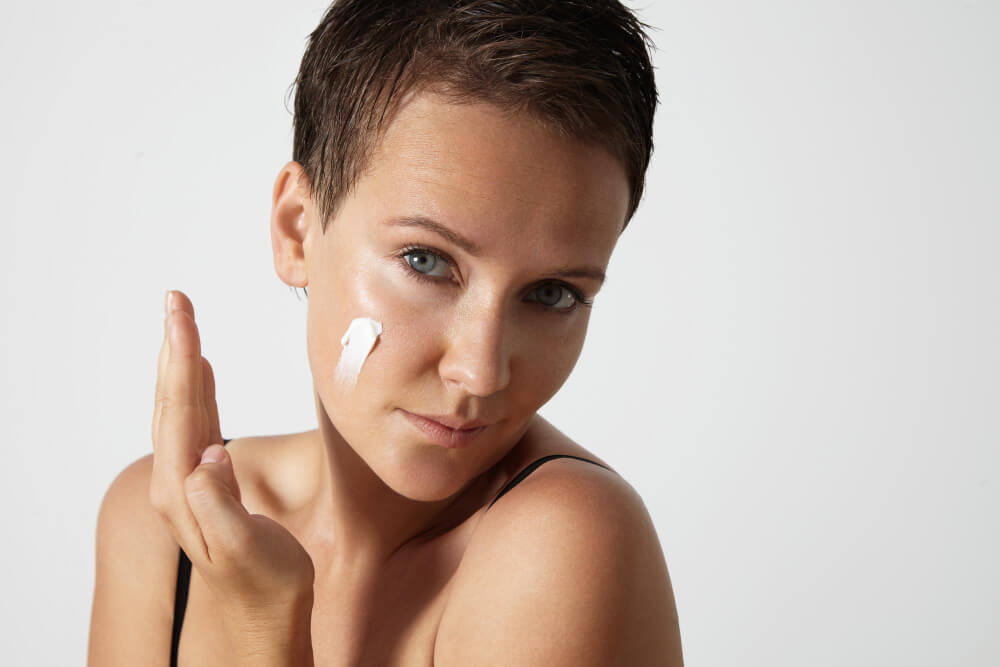
A sunscreen described as “non-comedogenic” refers to formulas designed to minimise blockage of the pilosebaceous follicle, thereby reducing the likelihood of promoting the formation of blackheads.
For oily and/or acne-prone skin, this feature is particularly important, as some highly occlusive formulas can encourage the development of comedones or blemishes.
Although not all products include this indication on the packaging, it can also be helpful to choose sunscreens that have been tested on acne-prone skin or formulated specifically for this skin type.
Recommended ingredients in a sunscreen for oily skin
Beyond protection against ultraviolet radiation, certain ingredients can complement the care of oily or acne-prone skin, helping to improve the product’s tolerability and comfort.
Niacinamide
Niacinamide is one of the most commonly used active ingredients for oily and/or acne-prone skin. It can help improve the skin’s barrier function, have a soothing effect and help reduce the appearance of shine.
Salicylic acid
Salicylic acid is a common ingredient in routines for oily skin due to its keratolytic action, helping to improve the appearance of pores and skin texture.
Mattifying ingredients
Active ingredients such as silica or certain absorbent powders help control excess sebum and promote a more matte and even finish.
Antioxidants
Antioxidant ingredients such as seaweed, green tea or Polypodium leucotomos help protect the skin against oxidative stress caused by solar radiation and environmental pollution.
What to avoid if you have oily or acne-prone skin
When choosing a facial sunscreen for oily skin, it is advisable to opt for lightweight, comfortable formulas suitable for daily use.
For skin prone to shine or blemishes, the following are generally better tolerated:
- fluid textures,
- non-greasy finishes,
- quick-absorbing formulas,
- and specific products formulated for oily and/or acne-prone skin.
Some very thick formulas or those with a high content of emollient ingredients may feel less comfortable in certain environmental conditions, such as hot or humid climates, particularly on skin with excess sebum.
Does oily skin need to use sunscreen every day?
Yes. UVA radiation is present all year round, even on cloudy days, and can pass through glass, so exposure can occur both outdoors and indoors in natural light.
Furthermore, many people with oily skin use active ingredients such as retinoids, exfoliating acids or anti-acne treatments that can increase the skin’s sensitivity to solar radiation.
That is why using a broad-spectrum facial sunscreen with SPF50 suitable for oily skin is one of the most important steps in preventing dark spots, post-acne marks and premature signs of ageing.
Sesderma sunscreens for oily skin
Within Sesderma’s REPASKIN range, there are various options formulated for those seeking daily sun protection with lightweight textures and comfortable finishes.
REPASKIN URBAN 365 Oily Skin SPF50
Formulated specifically for oily and/or acne-prone skin. It combines SPF50 protection with niacinamide, salicylic acid and a mattifying finish for daily urban use.
REPASKIN Dry Touch SPF50+
An option designed for those seeking shine control and a long-lasting matte finish throughout the day.
REPASKIN Invisible Fluid SPF50+
An ultra-lightweight facial sunscreen with an imperceptible feel on the skin and an invisible finish.
Frequently asked questions about sunscreen for oily skin
Can sunscreen cause spots?
Some formulas that are more occlusive or poorly suited to oily skin may feel less comfortable and, in people with acne-prone skin, could contribute to the appearance of blemishes. For this reason, it is advisable to choose non-comedogenic sunscreens with light textures, which improve tolerance and make them easier to use daily.
What texture is best for oily skin?
Lightweight textures are generally more comfortable for oily skin, as they tend to feel lighter and are better tolerated during daily use. They can also help reduce the appearance of shine caused by excess sebum.
Is it better to use ‘oil-free’ sunscreen?
‘Oil-free’ formulas are generally perceived as lighter and more pleasant on oily skin. However, the most important factor is not just the absence of oils, but the product’s overall formulation, individual tolerance and suitability for the skin type.
Does oily skin need SPF50?
Yes. SPF50 helps protect the skin against daily UV radiation and is particularly recommended in situations of increased sun exposure, post-inflammatory hyperpigmentation or when using exfoliating treatments.
The best sun cream for oily skin is the one you can use every day
When a sunscreen is lightweight, comfortable and suitable for oily skin, it is much easier to maintain daily sun protection consistently.
Choosing non-comedogenic formulas with a matte finish and ultra-light textures can make the difference between avoiding sun cream altogether or making it another step in your daily routine. Discover all our facial sunscreens in the Sesderma online shop.


