

Niacinamide has become one of the most widely used ingredients in dermatological cosmetics, backed by a wealth of scientific evidence. It helps to control excess oil, improve the appearance of dark spots, strengthen the skin barrier, enhance hydration and prevent ageing. Furthermore, it can be used on both dry and oily skin and combined with active ingredients such as vitamin C or retinol.
What is niacinamide and how does it work on the skin?
Niacinamide, also known as nicotinamide, is a form of vitamin B3, a water-soluble vitamin essential for numerous biological processes. When applied topically, niacinamide stands out because it acts on several processes at the same time:
- It promotes the synthesis of ceramides and other components of the skin barrier.
- It helps maintain the skin’s moisture levels.
- It helps regulate excess sebum.
- It helps improve skin tone evenness.
- It helps improve the appearance of certain imperfections.
Furthermore, it plays a part in the formation of coenzymes such as NAD+ and NADP+, which are involved in numerous metabolic processes related to cell function.
Thanks to this multifaceted action, it can be beneficial for a wide range of skin concerns, from oily or blemish-prone skin to dehydrated, sensitive or uneven-toned skin.
What is niacinamide used for: its main benefits
Niacinamide is a multifunctional ingredient used to improve the overall appearance of the skin. Depending on the formulation and concentration used, it can help to:
- Regulate excess sebum.
- Improve the appearance of pores.
- Promote a more even skin texture.
- Help improve the appearance of dark spots and even out skin tone.
- Strengthen the skin barrier.
- Improve hydration.
- Help soothe feelings of discomfort.
- Improve the appearance of fine lines and wrinkles.
Its versatility explains why it is found in products targeting such diverse needs as oily skin, sensitive skin, hyperpigmentation and anti-ageing care.
Another of its major advantages is its good tolerability. In general, it can be used on most skin types, including sensitive skin, and is compatible with most common cosmetic active ingredients.
Sesderma products containing niacinamide for different skin needs

Niacinamide is featured in various Sesderma ranges, where it is combined with other active ingredients depending on the specific aim of each formula. Below are some examples organised by skin concern.
For skin prone to excess sebum and blemishes
SALISES Moisturising Gel incorporates niacinamide as part of a formula designed for blemish-prone skin, providing hydration with a light texture.
For dark spots and hyperpigmentation
SESMAHAL B3 Niacinamide 6% combines 6% niacinamide with triple hyaluronic acid to help balance the skin, improve the appearance of pores and dark spots, and promote a more even skin tone.
For the eye and lip contours
EXOSES Anti-ageing Eye and Lip Contour combines niacinamide with exosomes in a formula designed for the care of the eye and lip contours, helping to improve the appearance of dark circles, puffiness and wrinkles.
For body care
UREMOL Cica Body Cream combines urea with niacinamide and reparative active ingredients in a formula designed for dry skin and particularly rough areas.
Niacinamide: which ingredients can it be combined with?
One of the reasons why niacinamide is so popular is its high compatibility with other active cosmetic ingredients.
Niacinamide and hyaluronic acid
This combination is specifically designed to improve hydration and strengthen the skin barrier.
Niacinamide and vitamin C
Formulations using encapsulation methods or vitamin C derivatives allow both ingredients to be combined to improve radiance and even out skin tone.
Niacinamide and retinol
This is one of the most commonly used combinations in anti-ageing routines, as niacinamide strengthens the skin barrier and helps improve tolerance to this type of active ingredient.
Niacinamide and exfoliating acids
It can also be combined with AHAs and BHAs. For skin not accustomed to these types of ingredients, a gradual introduction is recommended to improve tolerability.
How to use niacinamide correctly in your skincare routine
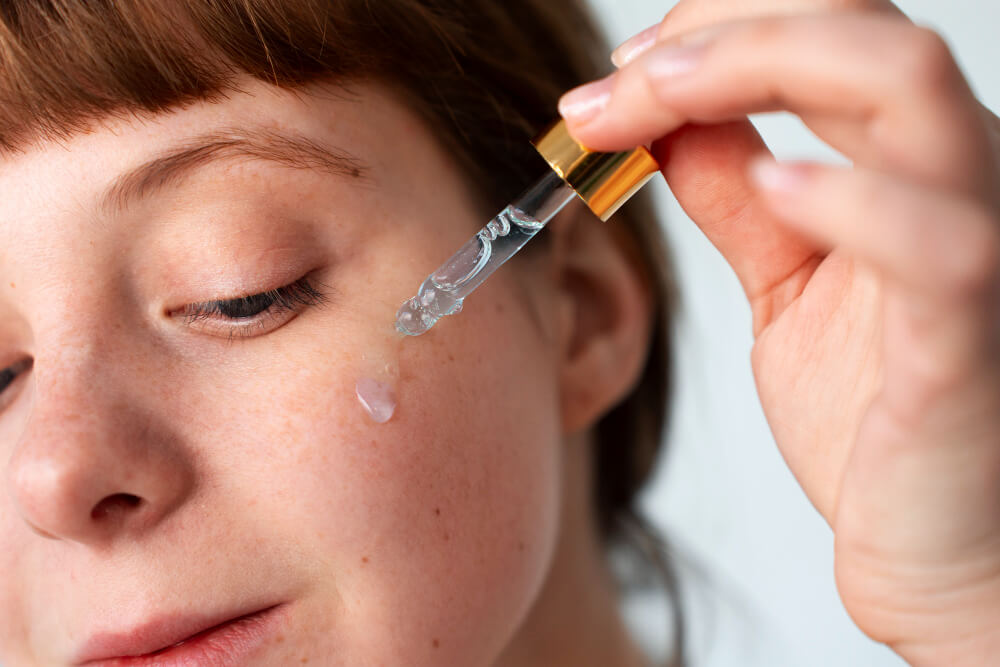
Niacinamide can be easily incorporated into most skincare routines, as it is available in various products such as serums and creams.
- Apply the serum after cleansing and before your moisturiser.
- Follow your usual order of textures, from lightest to thickest.
- It can be used both in the morning and at night.
- During the day, always use sun protection as the final step.
Results are usually seen gradually following continued use.
Now that you know what niacinamide can do for your skin, the next step is to choose the right formulation for your needs. At Sesderma, you’ll find specific solutions for oily skin, dark spots, dryness or ageing, most of which are developed using Nanotech technology, which encapsulates the active ingredients in liposomes to optimise efficacy and improve tolerability.


