
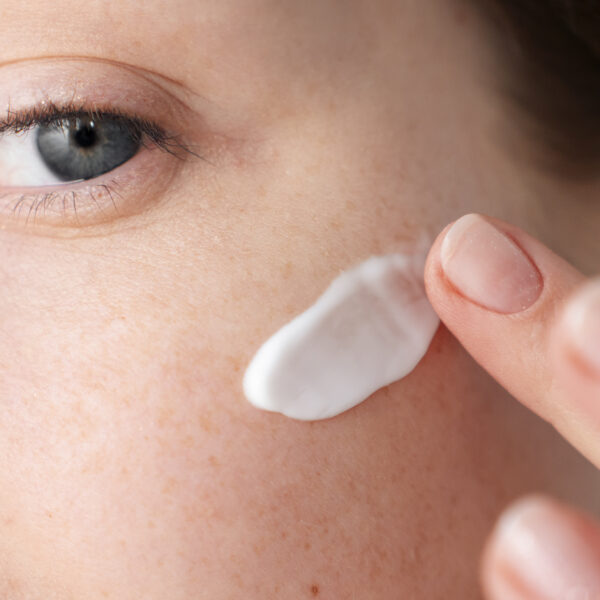
Skin cycling is a nighttime routine that alternates intensive action days with recovery days to achieve results with better tolerability. Popularized by dermatologist Whitney Bowe, the classic version consists of four nights (exfoliation, retinoids, and two repair nights). In this guide, we explain in detail what skin cycling is and suggest a sample routine.
What is skin cycling and why does it work?
The goal of the skin cycling method is simple: give the skin powerful active ingredients—such as retinoids or acids—and give the skin time and resources to recover its barrier function. This alternation reduces the likelihood of flaking, redness, or itching, and helps the skin better absorb these active ingredients. Instead of “all at once,” it proposes order and timing: first prepare (with effective cleansing), some nights stimulate (retinoids or acids), and others hydrate and nourish the skin with comfortable textures.
The classic 4-night routine (and how to adapt it)
The original cycle is repeated every four nights: Night 1 exfoliation; Night 2 retinoids; Nights 3 and 4 recovery.
- Exfoliation removes dead cells and reveals brighter skin.
- Retinoids stimulate renewal, improving skin texture and tone.
- Repair nights provide hydration and restore the skin barrier.
However, this is a recommendation, not a requirement, because if you notice that your skin does not tolerate any of the intensive active ingredients well, you can extend the recovery nights and/or space out the intensive products.
In our case, when skin feels tight or has a history of reactivity, it is recommended to reduce exfoliation to a minimum and extend recovery nights.
Exfoliation:
Exfoliation can be useful for softening texture and increasing skin luminosity, but too much exfoliation is the fastest route to a compromised barrier. Therefore, this type of routine recommends applying it once every four days. You can choose the acid that best suits your skin type, for example, salicylic acid if you have oily skin or mandelic acid if you have more sensitive skin. If you want to review the step-by-step process and types of exfoliation, you can read this exfoliation guide (applicable to the face).

Retinoids are the driving force behind change
Retinol and its derivatives are the stars of the second intensive night. They act on skin texture, visible pores, uneven tone, and various signs of aging. The key is not to use a lot, but to make it a habit.
Do you have very sensitive skin?
If your skin tends to be reactive and you want to use free retinoids, you can try the “sandwich” technique: a thin layer of moisturizer, retinoid, and another thin layer on top. You can also choose to use these active ingredients encapsulated in liposomes, which help improve their stability, tolerability, and effectiveness. .
Recovery nights with moisturizers
Recovery is not “passive rest.” In this phase, moisturizing creams are used that include humectants to attract water to the epidermis and emollients to provide lipids and prevent water from evaporating. Ingredients such as hyaluronic acid, panthenol, and glycerin deeply moisturize, while ceramides, shea butter, and omega-rich oils provide nourishment and emollience. The OCEANSKIN family is particularly well suited for these nights due to its combination of marine active ingredients and a moisturizing complex that strengthens the skin barrier.
Skin cycling routine
Morning routine:
Wash your face with a gentle cleanser and apply an antioxidant serum. Then apply your usual cream according to your skin type and, finally, sunscreen, which is essential every day, even when it’s cloudy.
Night 1 (exfoliation)
Tonight, you’re only doing exfoliation. Chemical exfoliation uses acids to renew the outermost layer of dead cells and leave the surface smooth. Clean your face and apply the exfoliating product to clean, dry skin. If you want to see best practices for exfoliation (frequency, steps, mistakes), this clear guide to exfoliation will help.
Night 2 (retinoid)
Retinoids (retinyl, retinol, retinal, or HP retionato) are the star ingredient for improving texture, tone, and the appearance of wrinkles. The order is simple: cleanse and apply your retinoid product to clean, dry skin.
Nights 3 and 4 (hydration)
Day 3 is all about restoring your skin. Not sure which texture to choose? Check out this selection of facial moisturizers to choose the cream that best suits your needs, lighter if you have excess shine or more nourishing if you notice tightness.
Mistakes that slow down results and how to avoid them

The main enemy is over-exfoliation, so if you notice redness, flaking, and/or tightness, cut back, as these are warning signs. Another common mistake is neglecting sunscreen, as without daily sun protection, your progress will be diluted. Finally, don’t be impatient and increase your application.
Example combination:
To illustrate the method, here is a suggestion with products:
- Cleansing/double cleansing: OCEANSKIN cleanser or the SENSYSES line, which cleanse and remove makeup thoroughly.
- Day serum (brightness): formulas with antioxidants focused on signs of fatigue, such as C-VIT.
- Exfoliation night: ACGLICOLIC as a chemical exfoliant.
- Retinoid night: liposome retinoids for better tolerance, such as RETIAGE or RETISIL.
- Recovery nights: OCEANSKIN, which includes ceramides and marine-derived active ingredients in its formulation to help strengthen the barrier function.
- Hydration according to needs: if you are unsure about the most suitable texture for your skin, check the facial hydration category and adjust according to your skin type.
Practical checklist to get started today
Before you begin, define your goal (pore appearance, texture, radiance, etc.). Mark your calendar with the day you will apply each product. Protect your skin the next morning with daily sunscreen and evaluate the condition of your skin after 4 weeks to assess whether it is responding well to skin cycling or if you need to make any changes.


